
Epoxy garage floors peel when the coating loses adhesion with the concrete beneath it. This usually happens due to inadequate surface preparation, moisture vapor moving through the slab, or a product not suited to the conditions. Cleveland Concrete Coatings works with homeowners across Northeast Ohio who’ve experienced early epoxy failure, and the cause is almost always identifiable.
A homeowner in North Royalton called us two springs ago about a floor peeling at the edges just fourteen months after installation. The installer had used an acid wash, applied two coats, and finished in an afternoon. The floor looked great for about a year. When temperatures began rising after an Ohio winter, sections near the garage door peeled back like old wallpaper. The coating wasn’t defective. The prep work was.
This post explains what’s happening and what the permanent fix looks like.
The Four Most Common Causes of Peeling
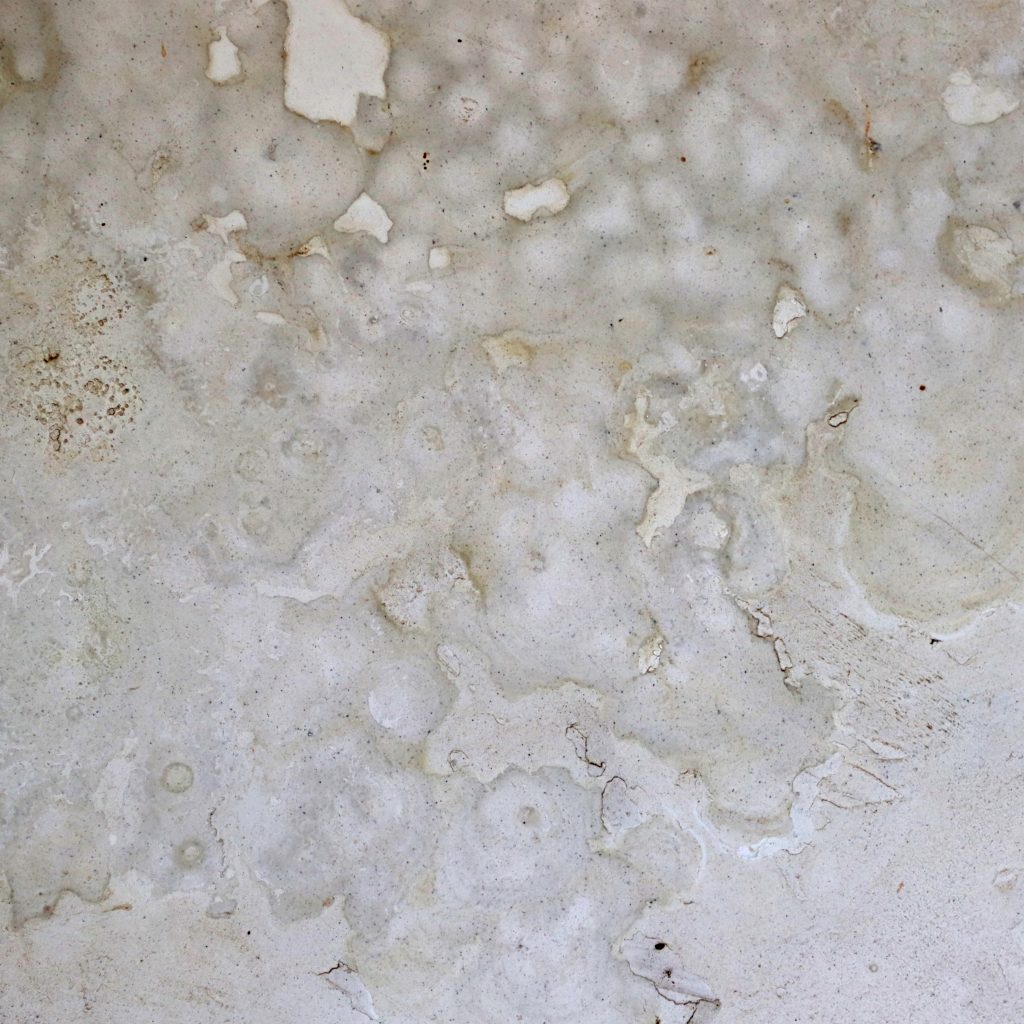
Peeling doesn’t happen randomly. Epoxy bonds to concrete through mechanical adhesion, gripping the surface profile rather than chemically fusing. When that grip weakens, failure is progressive. Hairline cracks develop at the edges, bubbles form, and lifted sections grow with each freeze-thaw cycle. Epoxy flooring problems in Cleveland homes follow a predictable pattern that’s tied to how the concrete was prepared before coating went down.
Inadequate Surface Preparation
Proper installation requires diamond grinding. Rotating diamond-tipped discs open the concrete pores and create a profile the coating can grip. Acid etching, used in DIY kits and some budget installations, creates a much shallower bond. Diamond-ground floors consistently outlast acid-etched ones under identical conditions, which is why professional installers treat it as a non-negotiable step.
Moisture Vapor Transmission
Groundwater below the slab converts to vapor and migrates upward constantly. Epoxy doesn’t tolerate that pressure. Vapor accumulates between the coating and slab, forms bubbles, and lifts sections. Older construction in North Royalton and Parma often has thinner vapor barriers, making this more common in mid-century builds.
Hot Tire Contact
Vehicle tires reach high temperatures after driving. Standard epoxy softens at elevated temperatures. A hot car parked on it partially bonds to the floor, then pulls sections up when it moves.
DIY Epoxy Kits
Using a product that wasn’t designed for our local conditions explains most DIY failures. Consumer-grade kits use thinner resin formulations and shallow prep methods. A direct comparison of epoxy versus polyurea shows why the type of material used matters as much as installation quality.
Can You Patch a Peeling Epoxy Floor?
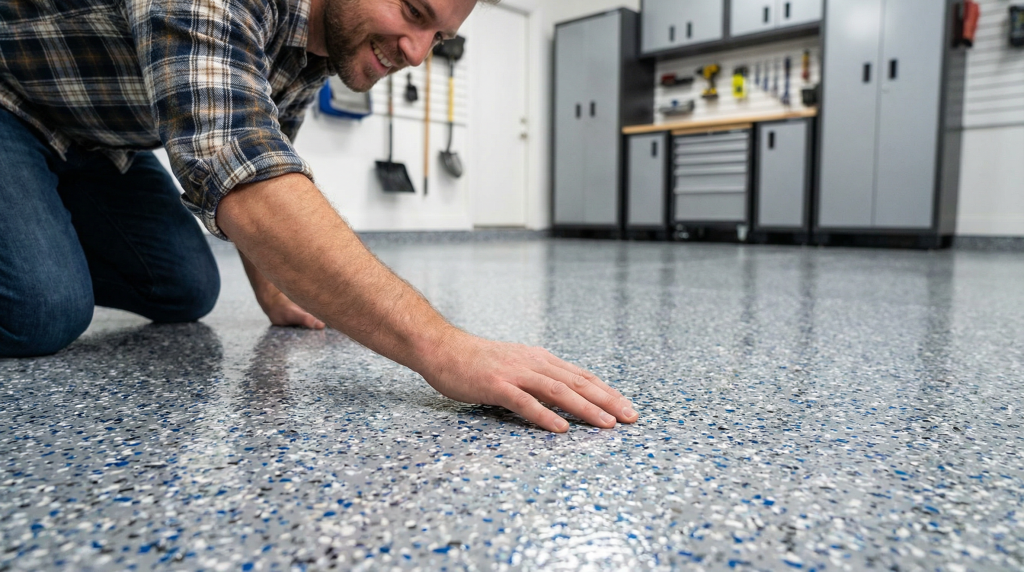
Technically, yes. Practically, it rarely holds. Any patch applied over compromised adhesion inherits the same underlying weakness. If the original failure came from moisture vapor or inadequate grinding, no surface repair addresses the root cause.
Fixing a peeling floor correctly means removing the failed coating entirely and replacing it with a system matched to the conditions. Cleveland Concrete Coatings’ garage floor coatings start with diamond grinding to expose properly profiled concrete. Every trace of the old coating is removed before anything new goes down.
Polyurea’s flexibility is its core difference from standard epoxy. It moves with the concrete through Ohio’s freeze-thaw cycles rather than resisting them, eliminating the primary stress behind peeling failures. The polyaspartic topcoat adds UV stability and chemical resistance. Homeowners in North Royalton who’ve made the switch report the same result: no peeling, no edge lift after the second winter.
Frequently Asked Questions
How do you stop epoxy from peeling further before replacing it?
Removing loose sections, cleaning the exposed concrete, and applying a concrete sealer slows moisture intrusion temporarily. This is a holding measure, not a repair. Peeling continues until the failed coating is fully removed and the slab is properly prepared.
Does Ohio’s climate cause epoxy to peel faster than in other states?
Yes. Northeast Ohio’s freeze-thaw cycling stresses the bond line each winter, and road salt tracked in from driveways weakens epoxy’s adhesion over time. Cleveland-area homes typically see epoxy failure earlier than the same product in a milder climate.
How long after a new installation should I wait before using my garage?
Cleveland Concrete Coatings’ polyurea polyaspartic system is walkable within 24 hours. Vehicle traffic should wait 48 hours, while furniture should wait 72 hours. Keep a window or door cracked near the coated area for at least one day to allow any residual off-gassing to clear.
Stop the Cycle and Fix It for Good
Peeling epoxy is fixable, but only when the fix addresses the actual cause. Patching buys time. Grinding out the failed coating and installing a system built for Ohio’s conditions buys a floor backed by a 15-year warranty. If your floor is peeling and you want to deal with it permanently, contact Cleveland Concrete Coatings for a free assessment.